

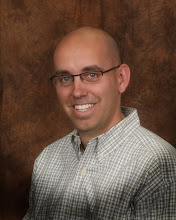
Katrine Denese, 80, suffers from paranoid schizophrenia and Parkinson's Disease. Yet the last thing her kids want is to have her placed in a nursing home. "My mother's home is her security - she loves it there," said Janet Hayes, one of four children raised by Denese. Ms. Hayes acts as Power of Attorney for her mother.
Though still able to function independently at times, Ms. Denise, nonetheless, requires round-the-clock care because of dementia.
Using money from her mother's pension and Social Security, Hayes has hired caregivers to take care of her mother. "They help with everything - cooking, bathing, cleaning - you name it," she said.
But that level of care requires money - lots of it. Last year, it became clear that Denese's pension and Social Security were no longer going to be sufficient to cover the caregivers' costs.
Hayes initially sought financial assistance through the federal government but quickly hit a dead-end. "I didn't get very far with the government," Hayes added. "They wanted to pick the caregiver, and provide coverage only for eight hours a day. My mom, however, needs care 24-7."
Hayes thought about mortgaging her home to pay for a caregiver but, in the end, chose a reverse mortgage. "I could have gotten a lot more money using a home equity loan but the interest rate was higher and there's a monthly payment to make," she added.
Acting as Power of Attorney for her mother, Hayes obtained a reverse mortgage with a line of credit. "What sold me on the reverse mortgage was that even after my mother exhausts all the money, she still can stay in her home for as long as she needs to," added Hayes.
Using the proceeds from the reverse mortgage, Hayes has hired two caregivers. "One person actually lives with my mom and takes care of all her needs," Hayes said. "A second person comes in once a week to relieve the other, who spends a few hours shopping for groceries and handling other errands."
Paying her mother's prescription drug bill isn't as much a chore as it once was, either. "My mother's prescription drug bill runs about $330 a month, and that's with free samples," said Hayes, "so the reverse mortgage helped out there." Hayes recommends the reverse mortgage to any adult child who has to care for their parent but doesn't have the financial ability to do so. "It has been a life saver for my mother," she added.
Reverse Mortgage Man
www.moneywise.net
(866)800-0280
Showing posts with label cost. Show all posts
Showing posts with label cost. Show all posts
Wednesday, July 23, 2008


Tuesday, July 22, 2008
What can I do with a Reverse Mortgage?
I found these statistics on the top ten reasons seniors get a reverse mortgage according to AARP.
1. Pay off mortgage (20%)
2. Home repairs/improvements (18%)
3. Improve quality of life (14%)
4. Everyday expenses (10%)
5. Emergencies/unexpected (9%)
6. Pay off non-mortgage debts (7%)
7. Health or disability (5%)
8. Property taxes/insurance (5%)
9. Financial help to family (2%)
10. Investments, annuities, or long-term care insurance (1%)
Household chores (1%) (tie)
Reverse Mortgage Man
Moneywise
www.moneywise.net
(866) 800-0280 Home of the FREE $30 gas card
1. Pay off mortgage (20%)
2. Home repairs/improvements (18%)
3. Improve quality of life (14%)
4. Everyday expenses (10%)
5. Emergencies/unexpected (9%)
6. Pay off non-mortgage debts (7%)
7. Health or disability (5%)
8. Property taxes/insurance (5%)
9. Financial help to family (2%)
10. Investments, annuities, or long-term care insurance (1%)
Household chores (1%) (tie)
Reverse Mortgage Man
Moneywise
www.moneywise.net
(866) 800-0280 Home of the FREE $30 gas card
Sunday, July 6, 2008
Stay in your home - Reverse Mortgage
A Perfect Program for Seniors Who Want to Stay in Their Homes
You've heard the stories; elderly seniors who cannot afford to pay the expense for the upkeep of their home, a home they may have owned for decades. With a fixed income and increasing demand placed on expenses, the homeowner has few options. Real estate taxes alone force many seniors to make the difficult decision to sell their home and live with family or move to assisted living quarters.
Most elders, 81 percent of those age 62 and older, own their home. Seventy-four percent own them free and clear from any mortgages. The logical answer to reduce the stress of the monthly expense is for the senior homeowner to tap the dormant equity in their home. Equity that has increased dramatically in the decades they lived in the home. Equity that can now be converted to supplement monthly income or use as a line of credit for any purpose.
The program is called the Home Equity Conversion Mortgage or HECM, also known as the Reverser Mortgage. This plan has been around for quite a few years, however the lack of marketing and the limited demand started the program on a slow path. In fact, there were 157 reverse loans originated in 1990, while lenders in 2003 originated 18,097 new loans.
In addition to the lack of demand and understanding, the cost prevented many people from developing an interest in the program. The fees and costs are now predetermined and approved by HUD, the cabinet position of the government responsible for monitoring issues dealing with consumer protection and fairness in housing. Each loan has a 2 percent fee paid to the lender and a 2 percent fee paid to HUD in the form of mortgage insurance protection. Other closing costs such as title expenses, appraisal and deed recording fees are also necessary. All costs are deducted from the existing equity in the home, therefore, requiring no out of pocket monies from the Homeowner.
The Reverse Mortgage requires no processing of the homeowner, it's an automatic approval. The age of the owner and the value of the home determine the amount of money available to the homeowner.
The minimum age to qualify for the plan is 62. If two borrowers are applying for the loan, the younger of the two is used to calculate the maximum money available. For example, if the younger homeowner is 76 years of age and the home's value is $225,000, the payout to the homeowner will be in the range of $150,000. Again, that $150,000 may be tapped as a line of credit or added supplemental income. This income is received income tax free and will have no ill affect on other earnings the homeowner may be receiving. There are no restrictions on the line of credit proceeds. Homeowner can pay existing liens on the property, make improvements , gift money to children or grandchildren, take trips or just enjoy the peace of mind financial security provides.
For the Seniors who decide the monthly income would be more practical, those checks would be paid until the passing of the last remaining recipient. The example of a $150,000 payout may translate into supplemental income of $950 per month. More than enough to pay the added tax assessments and other unforeseen expenses that otherwise would have driven the homeowner to consider selling their home.
There are numerous purposes and examples of how the reverse mortgage serves the needs of those homeowners who wish to remain homeowners. An expression we hear often is the Reverse Mortgage offers a "quality of life" for people who deserve the opportunity to enjoy their golden years.
Get your FREE $30 gift card by taking advantage of FREE Reverse Mortgage Education over the phone. www.30dollargascard.com (866) 800-0280
Reverse Mortgage Man
www.moneywise.net
You've heard the stories; elderly seniors who cannot afford to pay the expense for the upkeep of their home, a home they may have owned for decades. With a fixed income and increasing demand placed on expenses, the homeowner has few options. Real estate taxes alone force many seniors to make the difficult decision to sell their home and live with family or move to assisted living quarters.
Most elders, 81 percent of those age 62 and older, own their home. Seventy-four percent own them free and clear from any mortgages. The logical answer to reduce the stress of the monthly expense is for the senior homeowner to tap the dormant equity in their home. Equity that has increased dramatically in the decades they lived in the home. Equity that can now be converted to supplement monthly income or use as a line of credit for any purpose.
The program is called the Home Equity Conversion Mortgage or HECM, also known as the Reverser Mortgage. This plan has been around for quite a few years, however the lack of marketing and the limited demand started the program on a slow path. In fact, there were 157 reverse loans originated in 1990, while lenders in 2003 originated 18,097 new loans.
In addition to the lack of demand and understanding, the cost prevented many people from developing an interest in the program. The fees and costs are now predetermined and approved by HUD, the cabinet position of the government responsible for monitoring issues dealing with consumer protection and fairness in housing. Each loan has a 2 percent fee paid to the lender and a 2 percent fee paid to HUD in the form of mortgage insurance protection. Other closing costs such as title expenses, appraisal and deed recording fees are also necessary. All costs are deducted from the existing equity in the home, therefore, requiring no out of pocket monies from the Homeowner.
The Reverse Mortgage requires no processing of the homeowner, it's an automatic approval. The age of the owner and the value of the home determine the amount of money available to the homeowner.
The minimum age to qualify for the plan is 62. If two borrowers are applying for the loan, the younger of the two is used to calculate the maximum money available. For example, if the younger homeowner is 76 years of age and the home's value is $225,000, the payout to the homeowner will be in the range of $150,000. Again, that $150,000 may be tapped as a line of credit or added supplemental income. This income is received income tax free and will have no ill affect on other earnings the homeowner may be receiving. There are no restrictions on the line of credit proceeds. Homeowner can pay existing liens on the property, make improvements , gift money to children or grandchildren, take trips or just enjoy the peace of mind financial security provides.
For the Seniors who decide the monthly income would be more practical, those checks would be paid until the passing of the last remaining recipient. The example of a $150,000 payout may translate into supplemental income of $950 per month. More than enough to pay the added tax assessments and other unforeseen expenses that otherwise would have driven the homeowner to consider selling their home.
There are numerous purposes and examples of how the reverse mortgage serves the needs of those homeowners who wish to remain homeowners. An expression we hear often is the Reverse Mortgage offers a "quality of life" for people who deserve the opportunity to enjoy their golden years.
Get your FREE $30 gift card by taking advantage of FREE Reverse Mortgage Education over the phone. www.30dollargascard.com (866) 800-0280
Reverse Mortgage Man
www.moneywise.net
Reverse Mortgage Scenario
Q: My husband and I are retired with a total annual income of $40,000. We owe $145,000 on our home, which is worth $475,000. We don't have any extra to play with. We would like to know whether you would advise us to consider a reverse mortgage.
Jennie
A: A reverse mortgage could pay off your existing mortgage and eliminate the monthly mortgage payments you are currently paying. This could free up some income for you to play with each month.
Here's essentially how it would work. A reverse mortgage would pay off your existing mortgage balance of $145,000. Then, rather than having to make monthly interest and principal payments, the interest charged on the loan would simply add to the balance of the loan.
Let's assume your home will appreciate by 4 percent in the coming years, and the reverse mortgage interest rate averages 6 percent. Ten years from now, your home is worth $703,000 and the balance on the reverse mortgage is $260,000. In 20 years, your home is worth $1,040,000 and the loan balance is $465,000.
When you move from the home, sell the home or pass away, the loan becomes due, and any equity in the home goes to you or your heirs. In the event the mortgage balance is greater than the value of the home, you can walk away from the loan without paying a dime.
In addition to using a reverse mortgage to pay off your existing mortgage, you could also pull out extra cash, secure a line of credit or receive monthly income. Obviously, the more money you pull out, the less equity you'll have in your home.
Unlike a traditional mortgage, the startup costs are high, so you wouldn't want to use a reverse mortgage if you plan to move soon.
A reverse mortgage can be a great option, but for those who want to leave a truckload of money to their kids, paying off a home loan out of retirement income would be a better option.
Get a FREE $30 gift card by taking advantage of FREE Reverse Mortgage over the phone. www.30dollargascard.com or call toll-free (866) 800-0280
Reverse Mortgage Man
www.moneywise.net
Reverse Mortgages will make a comfortable retirement a reality!
What’s a senior citizen to do? If the stock market dips or if living costs are more than expected, retirement years can be far from the golden years. Celia Mason, a Certified Senior Advisor, works with retirees to develop strategies to deal with this challenge.
For seniors who own their homes and want to age in place, a reverse mortgage might be just the ticket for finding some retirement financial relief. "The reverse mortgages give seniors, age 62 and older, cash, a line of credit or monthly income, or even a combination of all three, that does not have to be paid back for as long as they continue to live in their homes. In other words, no monthly payments."
The loan is paid back when both spouses pass away or permanently move out. And the money is tax-free. "It’s a great way for seniors to live more comfortably, have more financial security and even go out and have some fun," explains Mason.
"Reverse mortgages had some negative connotations for a while years ago," says Mason, "but today under regulations from HUD (Department of Housing & Urban Development) seniors can never lose their homes or be forced to move out." They can still participate in the appreciation and their heirs will never owe more than the resale value of the home. The process is very well established, and even involves third-party counseling for seniors to ensure they really understand what the consequences are of taking out this mortgage.
The number one concern borrowers have is that the closing costs can be substantial, primarily due to FHA mortgage insurance requirements to guarantee the loan. However, these costs are rolled into the total reverse mortgage loan and the borrower does not need to write a check. "To make the loan worth these initial costs, homeowners should plan on living in their homes for at least three to five years," says Mason.
While many of Mason’s clients take out reverse mortgages for day-to-day living expenses or to cover healthcare costs, some take out these loans just because they want to use the cash for something important or meaningful to them.
Mason has clients who want to pay for their grandchild’s college expenses or take that long-dreamed-of trip around the world. "Some clients expressly want to make a charitable gift with the funds before they die or just want to be able to spend the money as they choose while they are alive, rather than leaving it for someone else to spend," she explains.
Mason also cites others who have used the funds for sophisticated purposes such as purchasing an income-producing rental property or buying a life insurance policy for estate-planning purposes.
"Reverse mortgages are really a great option for seniors, especially in communities like those here in the Bay Area, where home values have skyrocketed."
Get a FREE $30 dollar gift card by taking advantage of FREE Reverse Mortgage education over the phone!
www.30dollargascard.com or call toll free (866) 800-0280
Reverse Mortgage Man
www.moneywise.net
Rising cost of fuel and Reverse Mortgages
What is the connection, you might ask between reverse mortgages and the price of oil?
What is the connection, you might ask between reverse mortgages and the price of oil? And if you or a loved one are a senior homeowner age 62 and over but don't drive, maybe you've been thinking that you are lucky because the price of gas and oil really doesn't affect you as much. But the simple truth is that the cost of oil and the rising cost of gasoline affects everyone who has to eat or drink and that includes us all, drivers or not!
Stop and think about it for a minute. Take a look at the price of the food on the shelves in your local grocery stores. That food was trucked in and that requires fuel to get there. When the costs of oil are so high, then it costs so much more to bring those groceries to your local supermarket. And then take a look at the cost of the produce.
With the high cost of oil, many different forms of alternative fuels are being developed and several of these alternative fuels require things like corn to make them. This drives up the cost of not only corn, but everything else that uses corn. That includes feed for almost all other animals and that also drives up the cost of chicken, beef, some dog foods and well, you get the picture! Add to that the floods in the central states where the most corn is grown and the damage to the crops and that means that this year's harvest is going to be smaller and even more expensive.
So how does this all tie to Reverse Mortgages? When you're living on a fixed income, all of this rising cost may be too much to bear. That's where senior borrowers age 62 and over may be able to utilize the equity in their home to meet the rising cost of living in this economic environment.
The government-insured Reverse Mortgage known as the Home Equity Conversion Mortgage (HECM or Heck-um) is designed to allow senior borrowers to access the equity in their home for any purpose. Senior borrowers can use the money to retire existing debt, for medical expenses, to make their homes more senior-friendly, or for any purpose they choose. But this can be especially helpful now that other costs have risen so dramatically.
So whether you or your loved ones drive or not, the rising cost of oil, the increased demand for corn and the flooding and lower crop production is going to take a bite out of everyone's budget. There's just no escaping the far reaching effect that all these factors have on everything else. The reverse mortgage may be just the bridge many senior homeowners can use to cross the rough spots brought on by rapidly rising costs that may be out pacing fixed incomes.
Get your FREE $30 Gift card by taking advantage of FREE Reverse Mortgage Education over the phone - visit www.30dollargascard.com or call (866) 800-0280
www.moneywise.net
Reverse Mortgage Man
What is the connection, you might ask between reverse mortgages and the price of oil? And if you or a loved one are a senior homeowner age 62 and over but don't drive, maybe you've been thinking that you are lucky because the price of gas and oil really doesn't affect you as much. But the simple truth is that the cost of oil and the rising cost of gasoline affects everyone who has to eat or drink and that includes us all, drivers or not!
Stop and think about it for a minute. Take a look at the price of the food on the shelves in your local grocery stores. That food was trucked in and that requires fuel to get there. When the costs of oil are so high, then it costs so much more to bring those groceries to your local supermarket. And then take a look at the cost of the produce.
With the high cost of oil, many different forms of alternative fuels are being developed and several of these alternative fuels require things like corn to make them. This drives up the cost of not only corn, but everything else that uses corn. That includes feed for almost all other animals and that also drives up the cost of chicken, beef, some dog foods and well, you get the picture! Add to that the floods in the central states where the most corn is grown and the damage to the crops and that means that this year's harvest is going to be smaller and even more expensive.
So how does this all tie to Reverse Mortgages? When you're living on a fixed income, all of this rising cost may be too much to bear. That's where senior borrowers age 62 and over may be able to utilize the equity in their home to meet the rising cost of living in this economic environment.
The government-insured Reverse Mortgage known as the Home Equity Conversion Mortgage (HECM or Heck-um) is designed to allow senior borrowers to access the equity in their home for any purpose. Senior borrowers can use the money to retire existing debt, for medical expenses, to make their homes more senior-friendly, or for any purpose they choose. But this can be especially helpful now that other costs have risen so dramatically.
So whether you or your loved ones drive or not, the rising cost of oil, the increased demand for corn and the flooding and lower crop production is going to take a bite out of everyone's budget. There's just no escaping the far reaching effect that all these factors have on everything else. The reverse mortgage may be just the bridge many senior homeowners can use to cross the rough spots brought on by rapidly rising costs that may be out pacing fixed incomes.
Get your FREE $30 Gift card by taking advantage of FREE Reverse Mortgage Education over the phone - visit www.30dollargascard.com or call (866) 800-0280
www.moneywise.net
Reverse Mortgage Man
Subscribe to:
Posts (Atom)

 Posts
Posts

